2025, 46(12): 1571-1583.
doi: 10.21656/1000-0887.450247
Abstract:
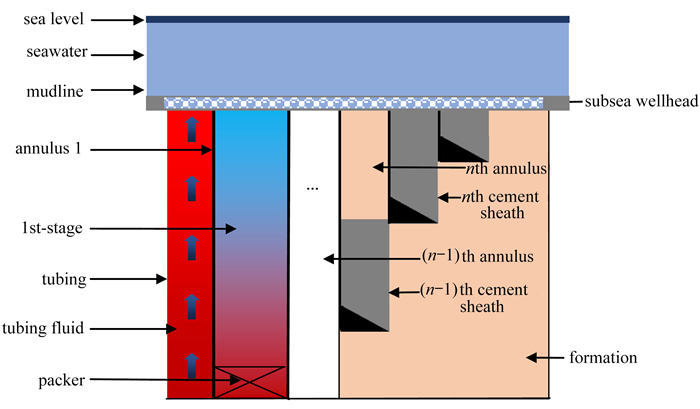
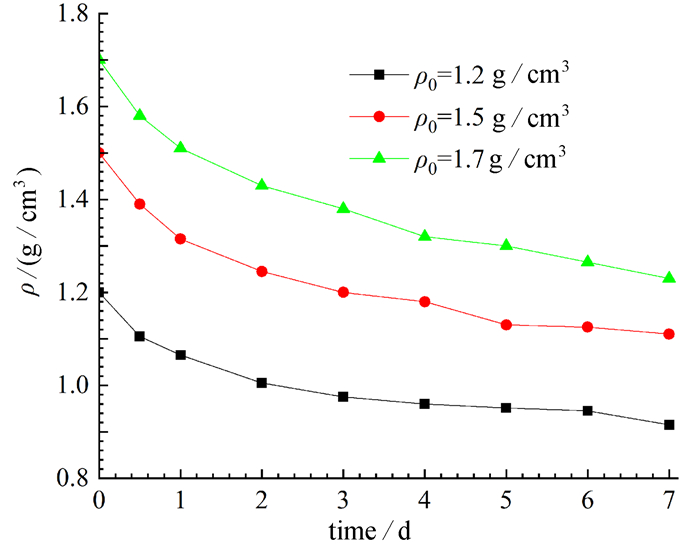
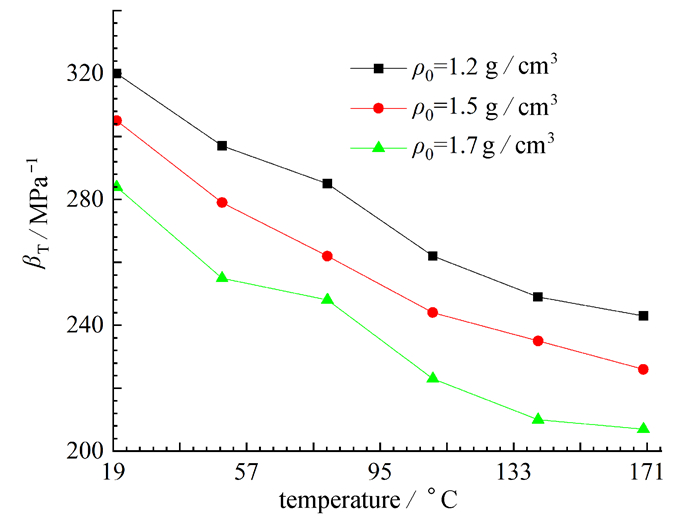
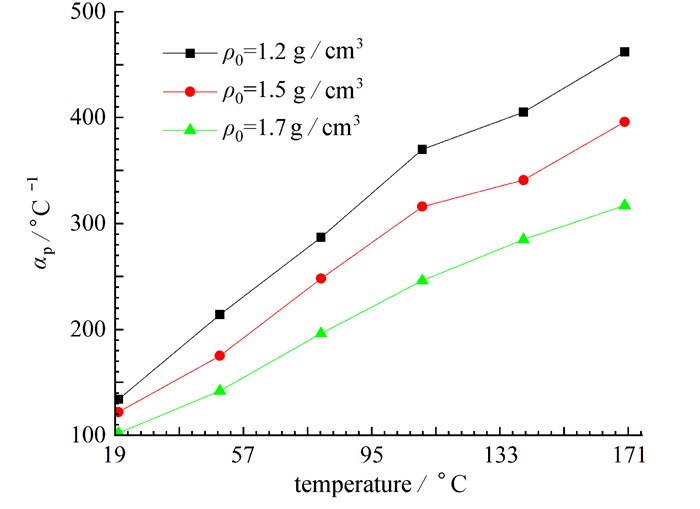
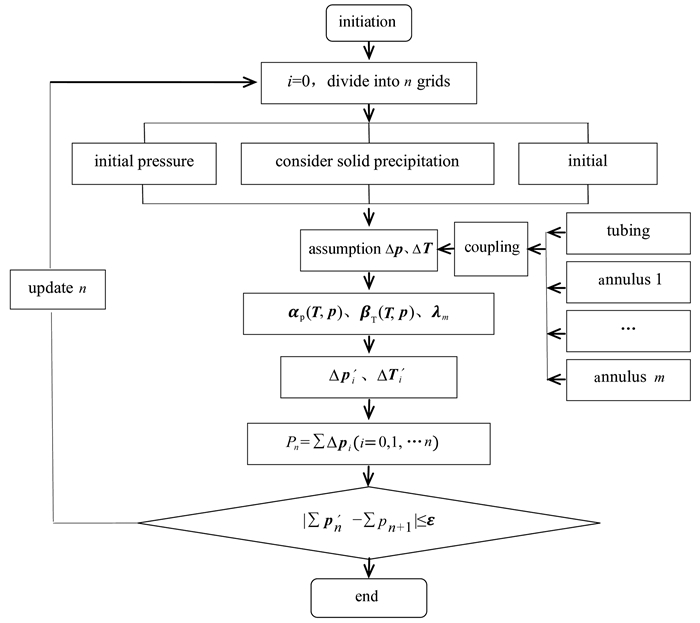
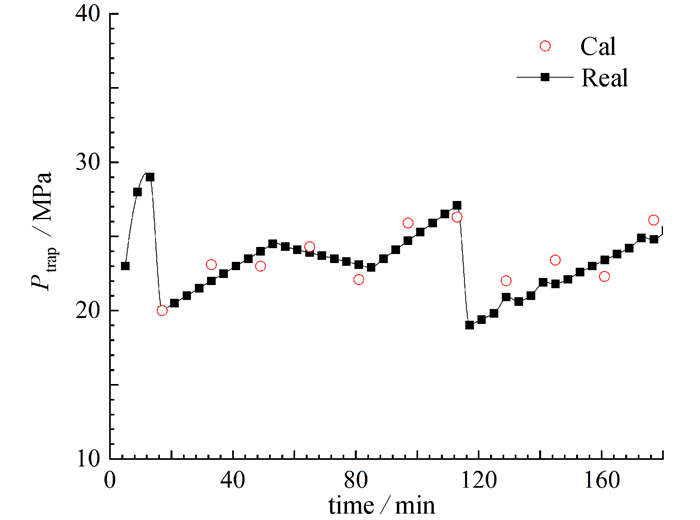
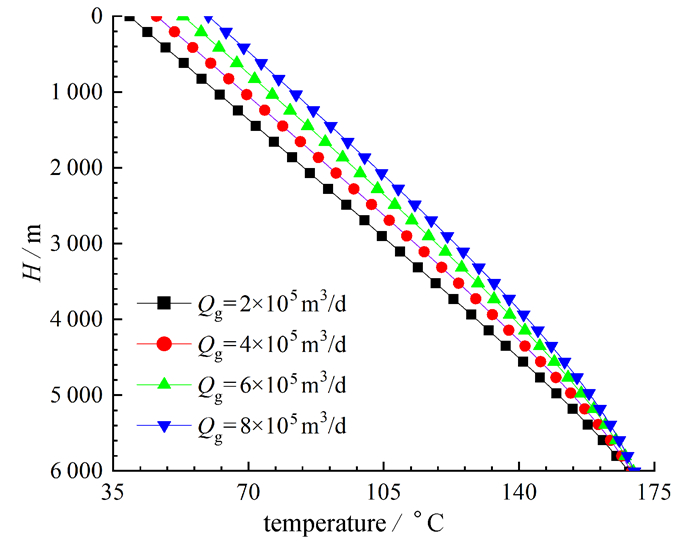
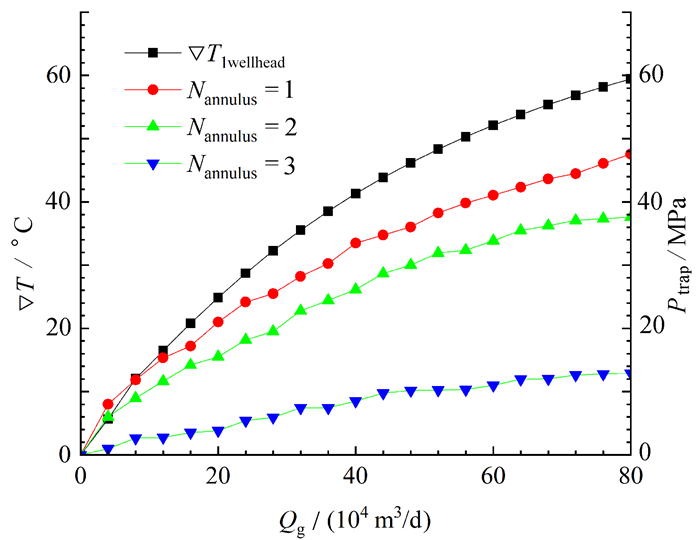
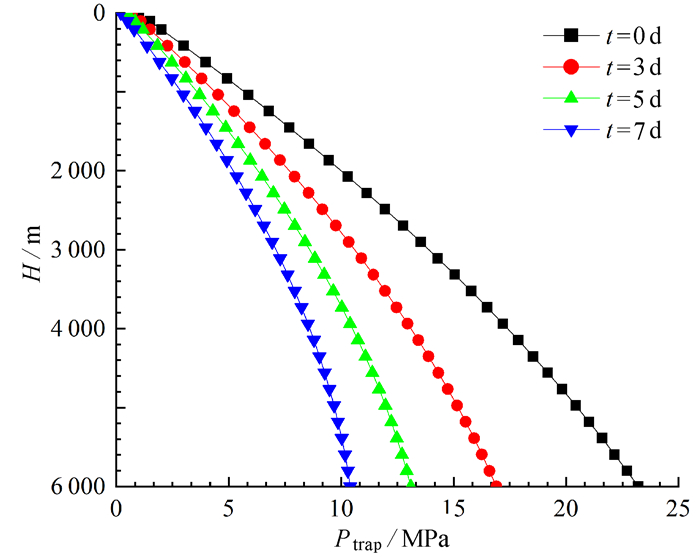
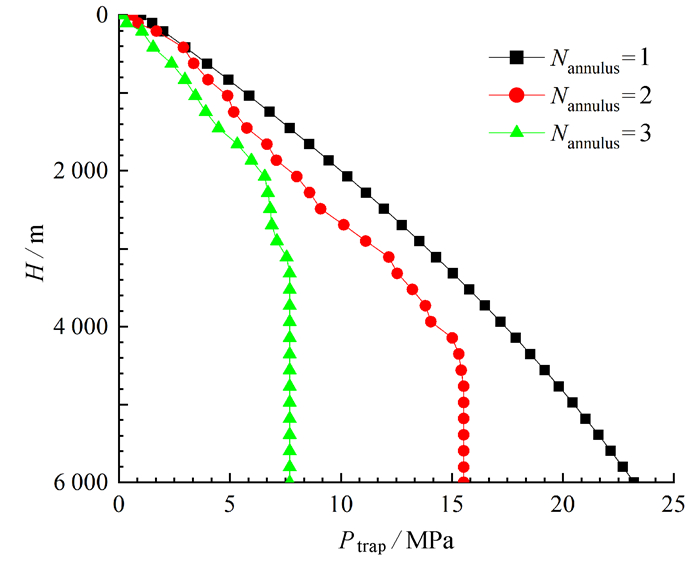
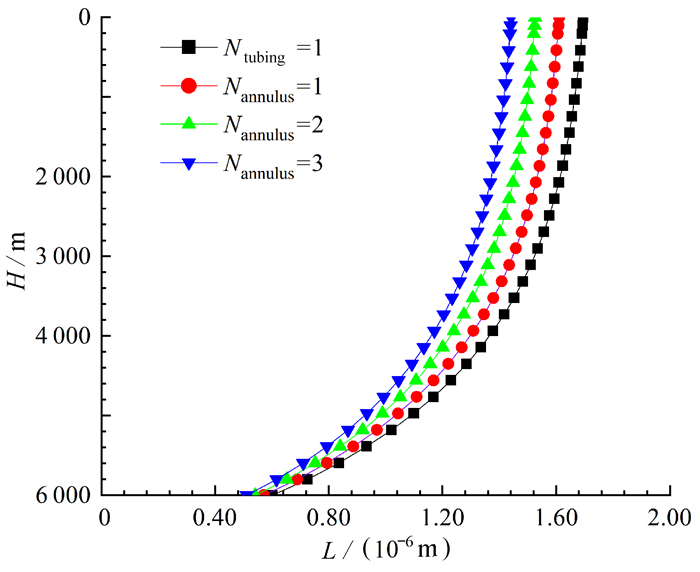
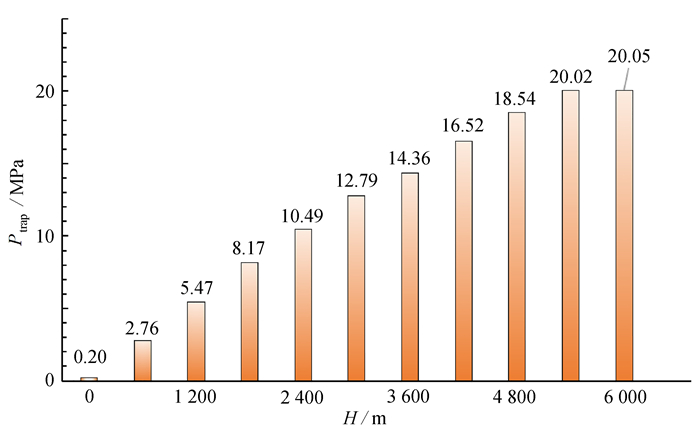
In deepwater oil and gas production operations, accurately predicting the annular trapped pressure is of decisive significance for ensuring the safety of oil and gas wells, optimizing the production process, and extending the service life of oil and gas wells. The water-based annular fluids were investigated and the density and thermophysical property parameters under various settlement times were systematically tested, and the influence law of solid-phase settlement on the fluid parameters was sorted out. Based on the law of constant-volume thermodynamics, in view of key factors such as solid-phase settlement and dynamic changes in the thermophysical property parameters of the fluids, a calculation method for the multi-annular coupled trapped pressures applicable to gas wells was proposed. Through comparison of the calculation results of this method with the measured trapped pressure data at the underwater wellhead, the maximum error between the 2 is only 8.91%. With a typical offshore gas production well as a specific example, a program was developed with the.Net language to solve and operate the constructed model. The results show that, the solid-phase settlement has an extremely significant effect on the density of the annular fluid. With the continuous increase of the settlement time, the fluid density shows an obvious downward trend. After a 7 d test, the drilling fluid density gradually decreases from the initial value of 1.7 g/cm3 to 1.23 g/cm3 and tends to be stable, with a density reduction of up to 27.65%. With the well depth increase, the gas production rate rise, the isobaric expansion coefficient uplift and the drilling fluid isothermal compression coefficient growth, the annular trapped pressure always shows an increasing trend. Under the condition of the same thermophysical property of the fluid, the annular trapped pressure is particularly affected by the closed volume of the annulus. The trapped pressure in the 1st annulus is 23.2 MPa, that in the 2nd is 15.53 MPa, and that in the 3rd is 7.69 MPa. In addition, the comparison of the tubing displacement at the wellhead with that at the bottom of the well indicates that, the maximum tubing displacement at the wellhead decreases from 1.69×10⁻⁶ m to 6.1×10⁻⁷ m, and the tubing displacement at the wellhead is about 2.77 times that at the bottom. The accurate solution of the annular trapped pressure can provide an extremely crucial theoretical basis and data support for practical engineering operations such as checking the pipe string safety factor, evaluating the wellhead uplift risk, and optimizing the cement return height design, and effectively contribute to the safe and efficient development of deepwater oil and gas production operations.